Pink Dolls
Aesthetic.
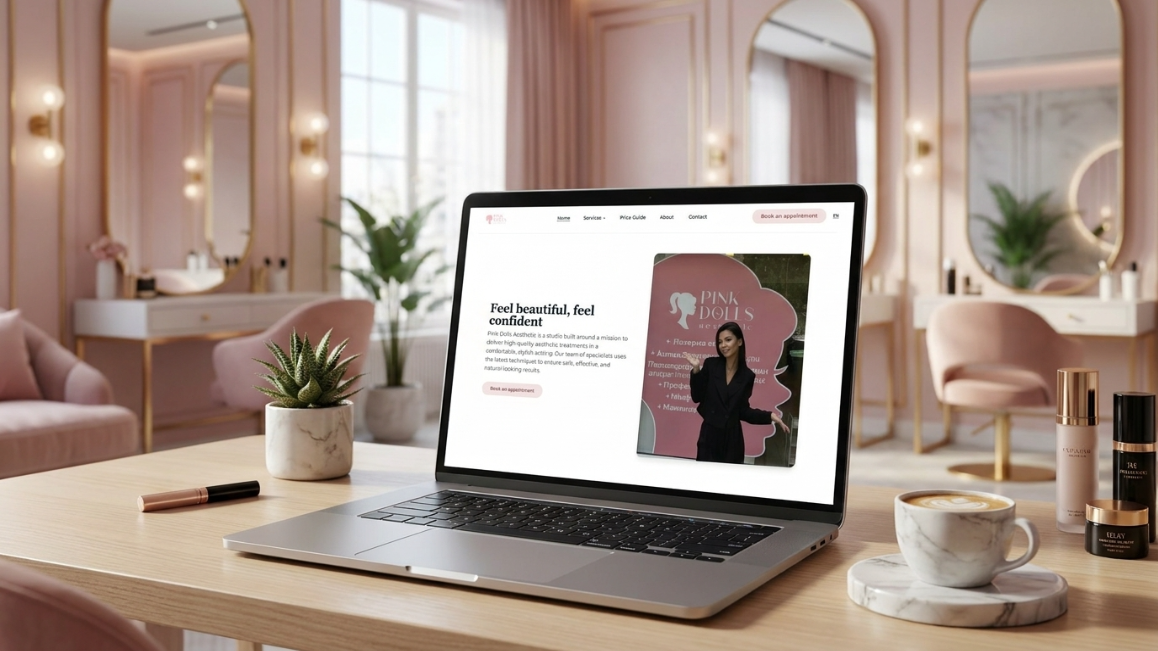
Optimizing the digital booking experience for a premium beauty brand. By bridging the gap between high-fashion "maximalist" aesthetics and frictionless UX, I transformed casual browsing into high-confidence booking.
The Challenge:
High Intent,
Low Confidence.
Despite a strong brand following, the digital experience suffered from information asymmetry. Users were overwhelmed by technical service names and lacked the visual proof needed to commit to luxury-priced treatments. This resulted in high bounce rates on service pages and a high volume of manual support inquiries.
Project goals.
For the user.
-
Informed Selection
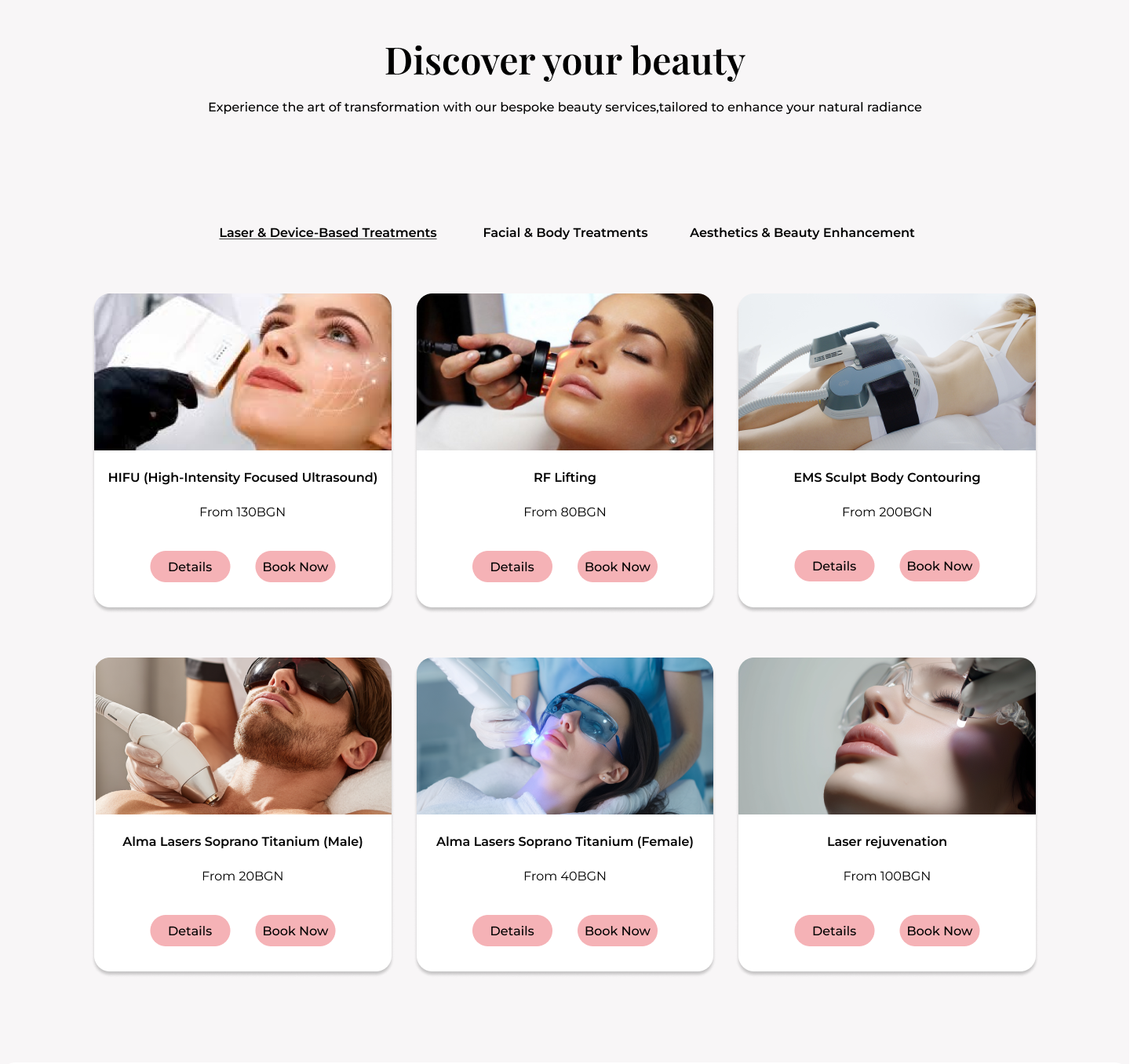
Eliminate "service paralysis" by giving every treatment a clear, outcome-based description. Users should know exactly what they're booking before they commit — no jargon, no guesswork, no second-guessing the price tag.
-
Trust Building
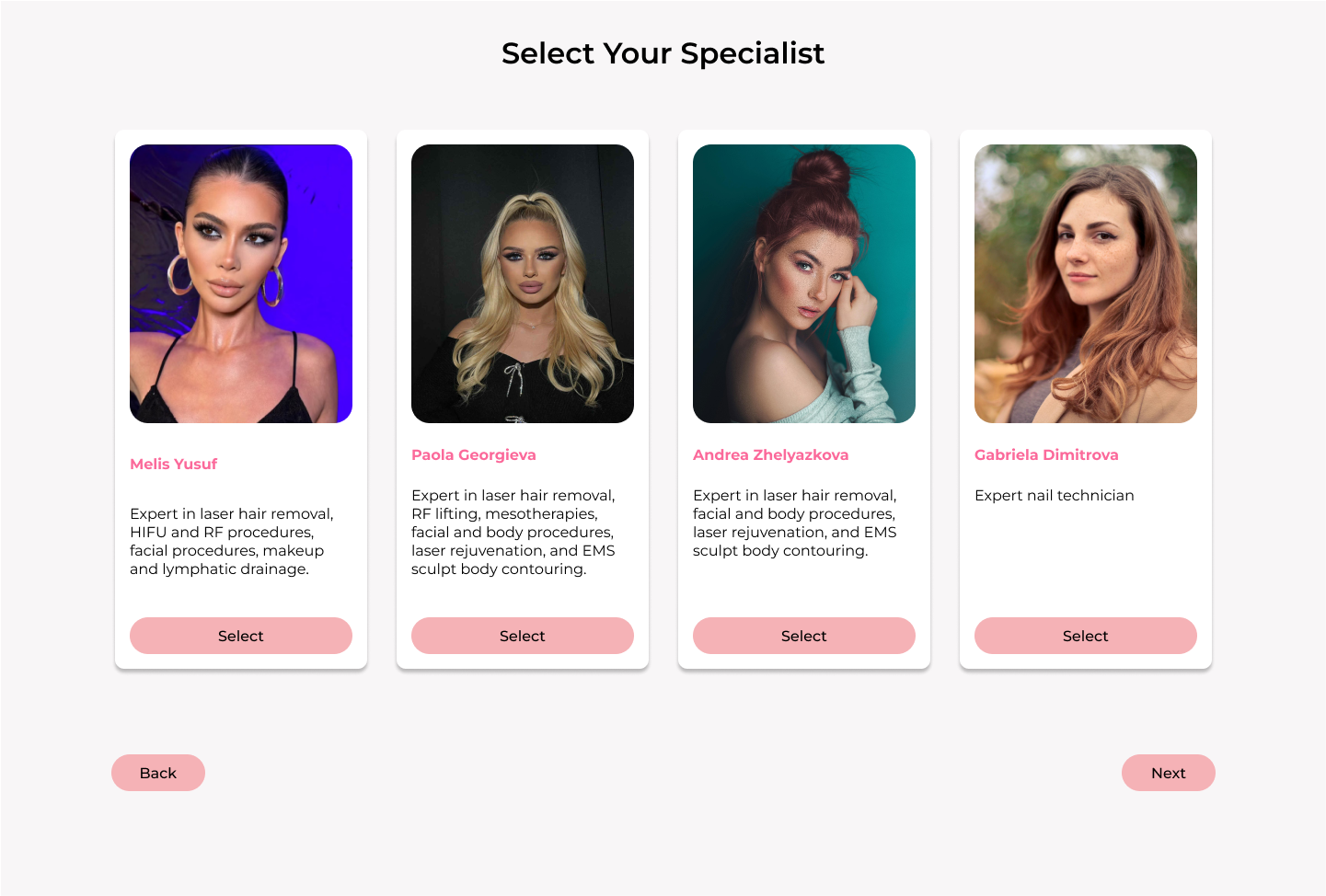
Surface reviews, before/afters, and stylist credentials directly inside the selection flow — not buried two clicks away. Social proof needs to arrive at the moment doubt does, not after the user has already left.
-
Frictionless Conversion
Design the booking path for the 80% who arrive on mobile. Thumb-zone CTAs, no forced account creation, and a single visible step at a time — so momentum carries the user all the way to confirmation.
For the business.
-
Booking Velocity
Lift online conversion and cut abandon-at-checkout rates by stripping out every step the user didn't ask for. Each saved tap is a booking that closes instead of a tab that gets quietly closed.
-
Operational Efficiency
Reduce manual call volume by answering the top inquiries inline — pricing, preparation, aftercare — through contextual FAQs the user finds without searching. Front-desk time stays on the clients in the chair.
-
Brand Equity
Build a digital presence that earns the luxury price tag. Premium type, considered motion, and intentional whitespace signal the standard of care before any treatment begins — the website should already feel like the salon.
Research insights.
Our research revealed key insights into user behavior and preferences, guiding the design.
Service
ambiguity.
65% of users couldn't distinguish between treatment tiers. I implemented outcome-based descriptions instead of technical jargon.
Friction
reduction.
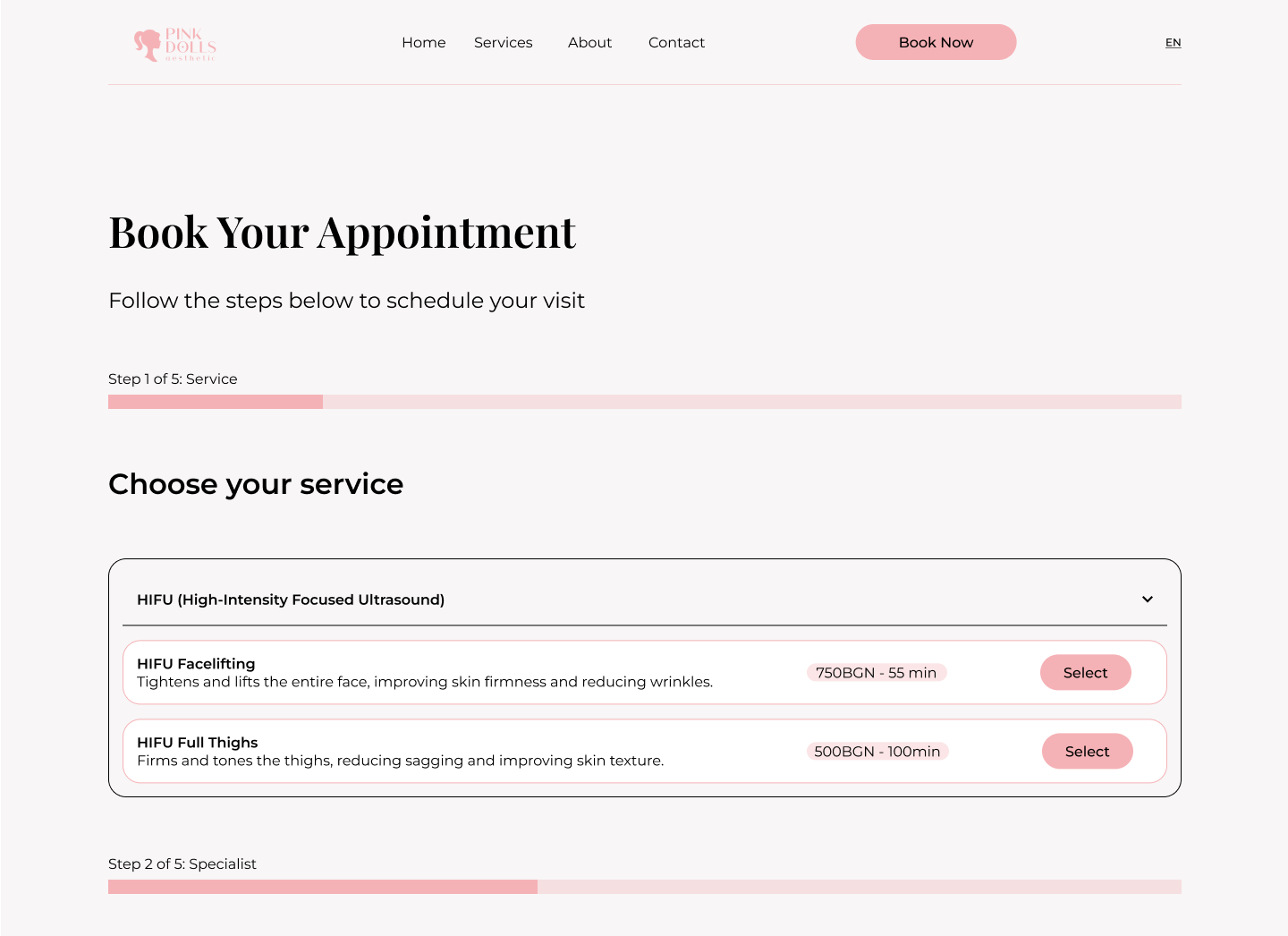
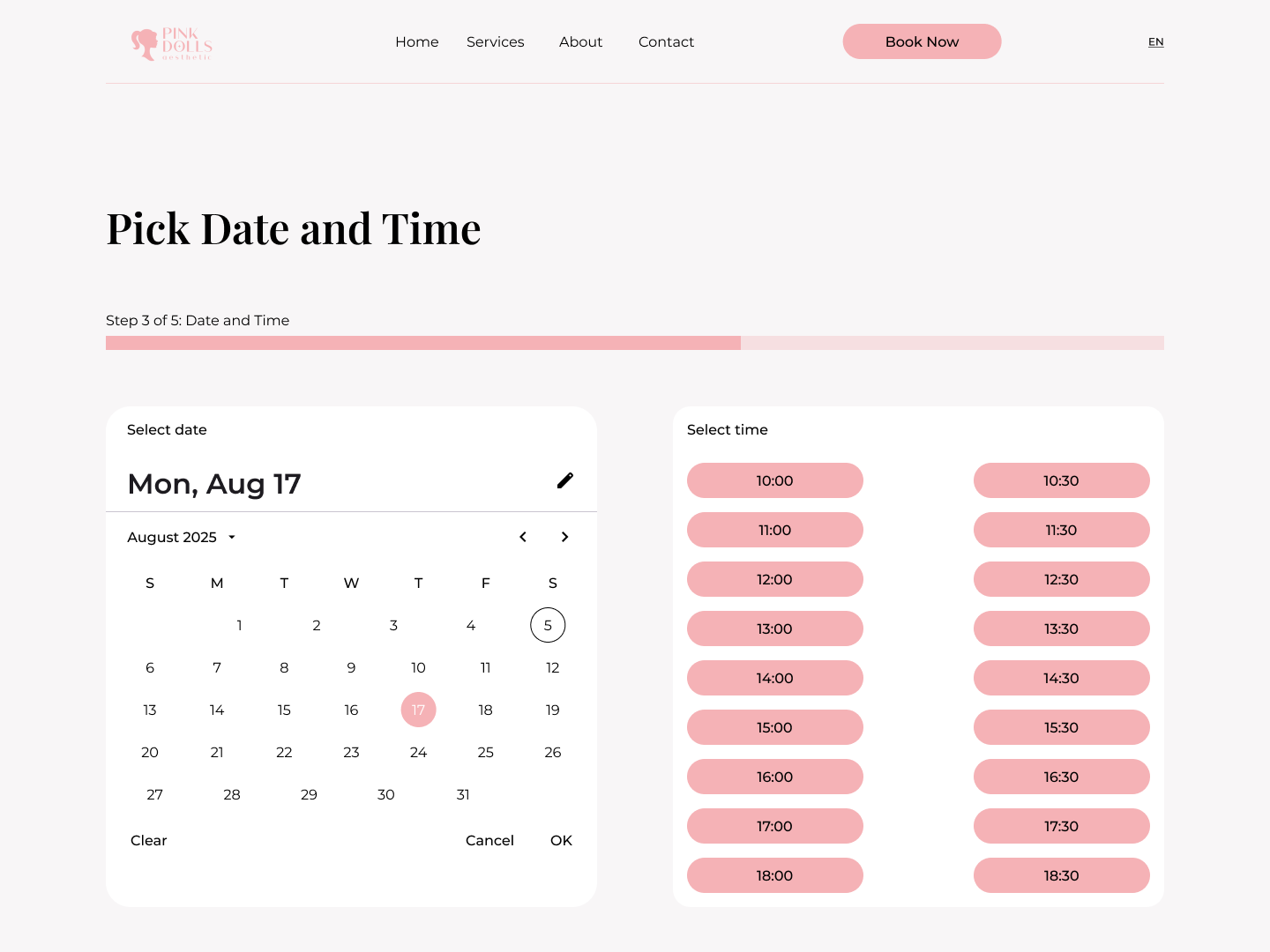
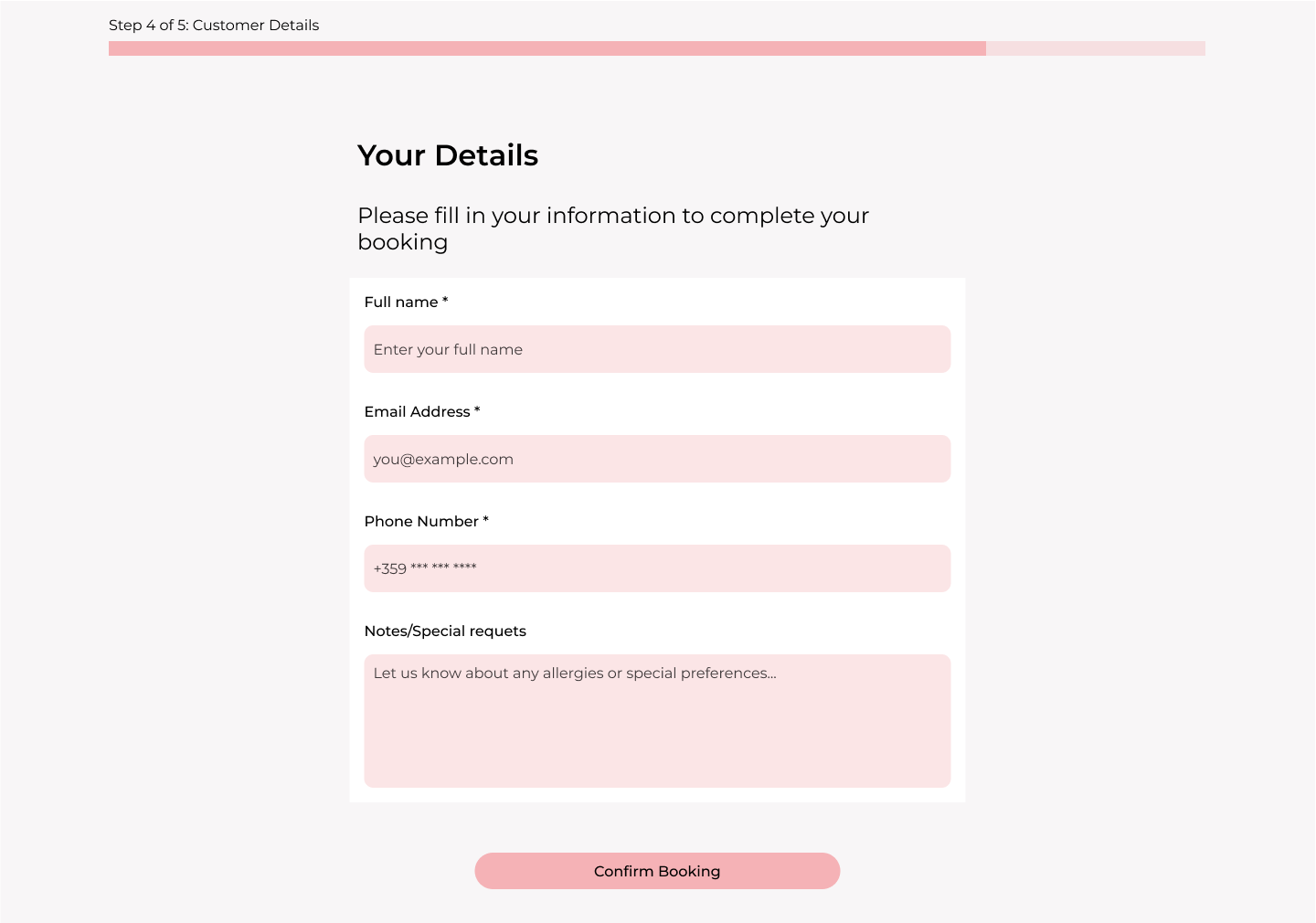
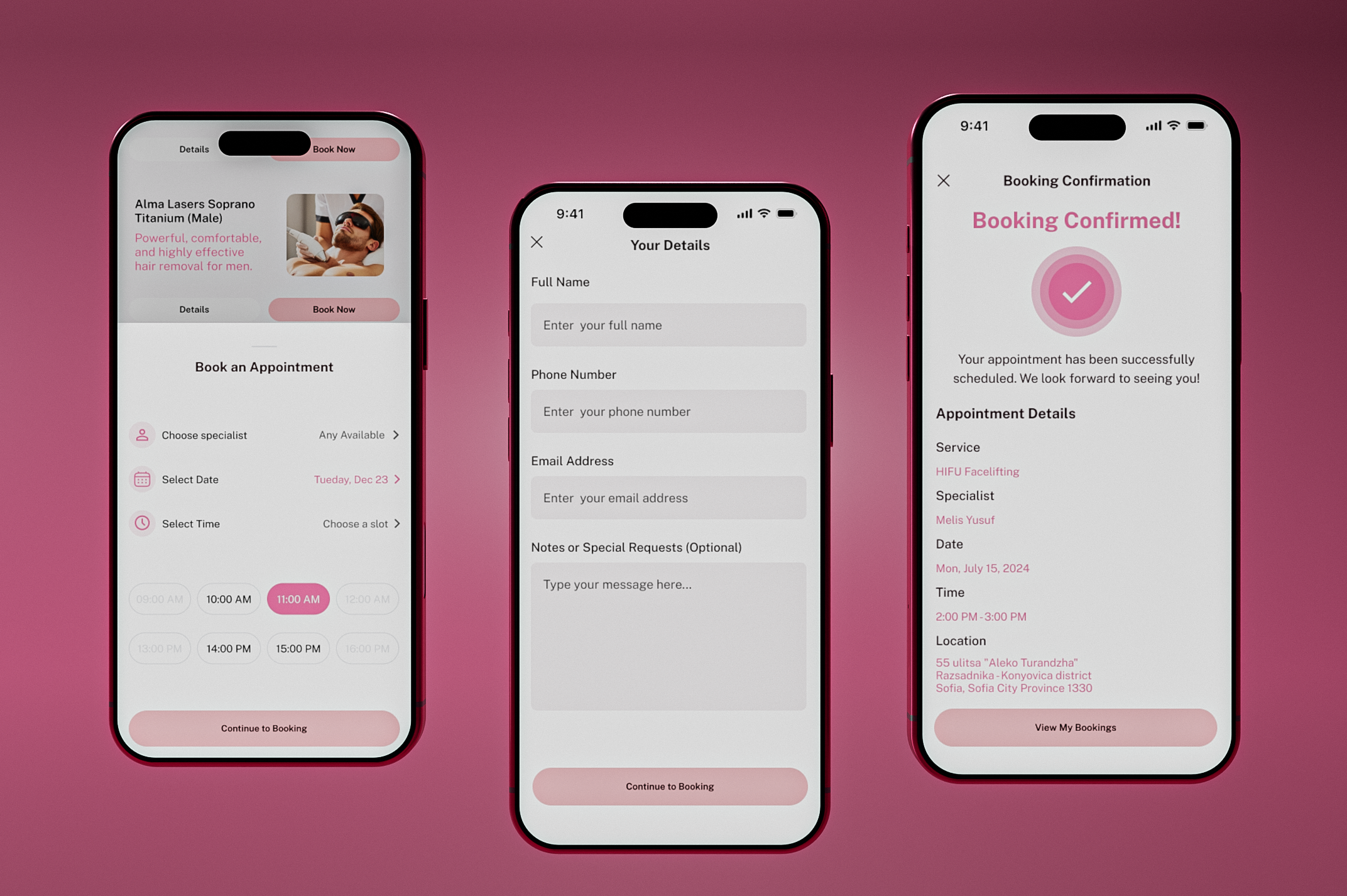
Users wanted to book without unnecessary steps. I designed a clear booking modal to keep users in the flow.
Mobile
first.
80% of bookings occur on mobile. I adopted a thumb-zone first layout for primary CTAs.
Visual
proof.
Users emphasized the importance of trust and credibility, seeking reviews, testimonials, and stylists' qualifications before booking.
Persona
analysis.
Sofia is a 28-year-old marketing coordinator living in an urban area. She enjoys social events, self-care routines, and staying up to date with beauty trends through Instagram and TikTok. She values premium experiences and prefers brands that look modern, trustworthy, and aesthetically refined. She usually books treatments online because her schedule is busy and she dislikes calling businesses.
- Find a reliable beauty salon with high-quality services.
- Book appointments easily and efficiently.
- Discover new beauty treatments and trends.
- Difficulty finding salons that meet her standards for quality and hygiene.
- Inconvenient booking processes with limited availability.
- Lack of personalized recommendations based on her preferences.
- Spends time researching beauty services and reading reviews online.
- Prefers booking appointments through a user-friendly app or website.
- Values personalized service and attention to detail.
User journey
map.
Sitemap.
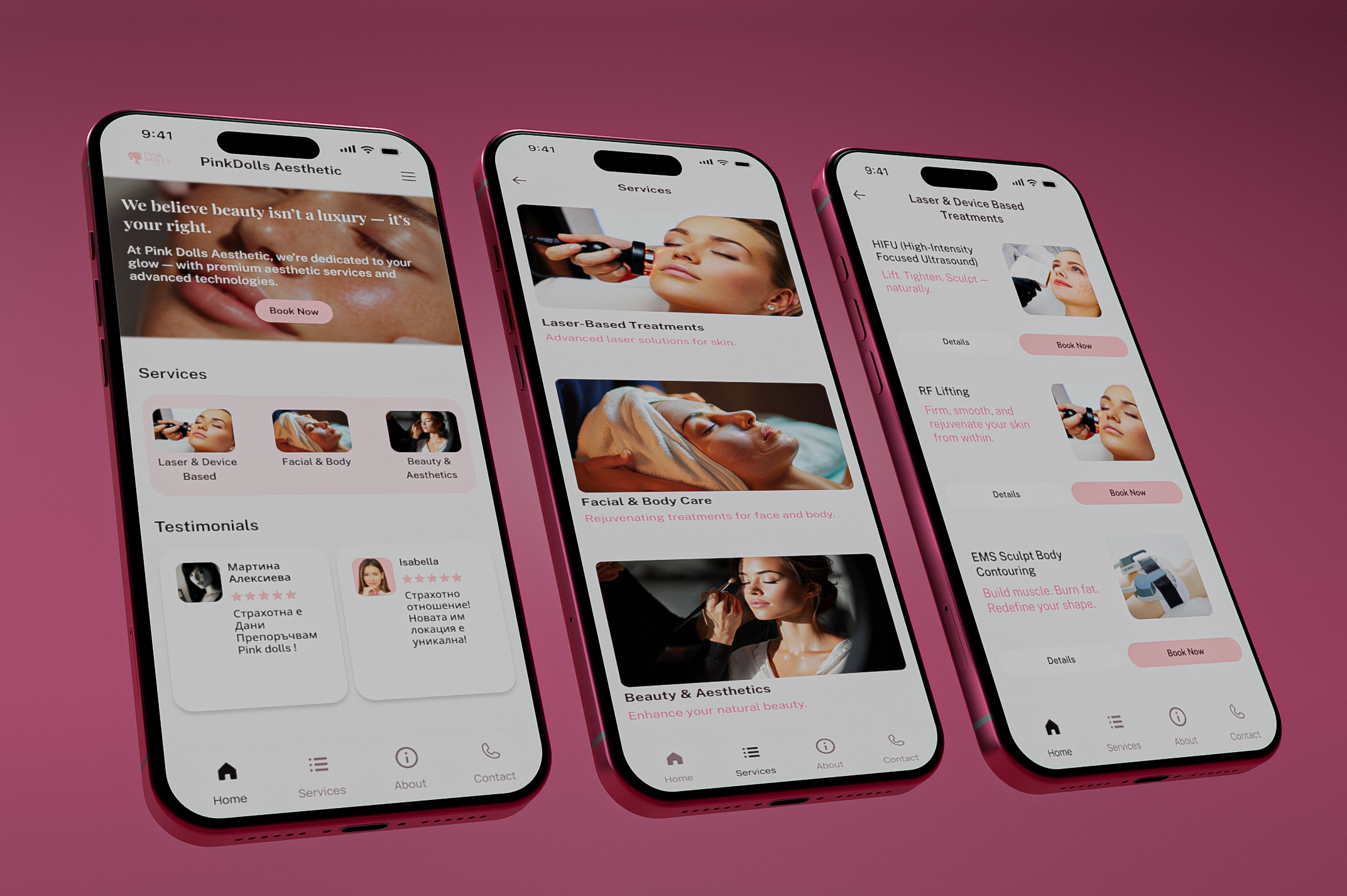
Four pages, each with a clear job. The structure flattens the funnel: every entry point is no more than two taps away from a booking.
Home/home
- Hero
- Featured services
- Testimonials
Services/services
- Service list
- FAQ
About/about
- Brand story
- Team
Contact/contact
- Booking form
- Success state
The final UI.
01 / Services
02 / Booking flow
03 / Key mobile screens
Strategic retrospective.
The success of Pink Dolls Aesthetic wasn't just in the pixels, but in the reduction of cognitive load. By applying progressive disclosure to a complex service menu, we transformed a 4-minute manual inquiry into a 45-second digital booking.
Future iterations will focus on predictive personalization — recommending treatments based on past behavior to increase Lifetime Value (LTV).
Visit website→